
Puppy Weight Calculator
How big will my puppy get? Enter your puppy's age and weight to estimate its full-grown size: a realistic range, not false precision.
Built on peer-reviewed veterinary growth data (~89,000 dogs, Salt et al. 2017) and official breed standards.
Find your breed
Jump straight to a breed's full-grown size page, or browse by type. Every breed runs on the same calculator.
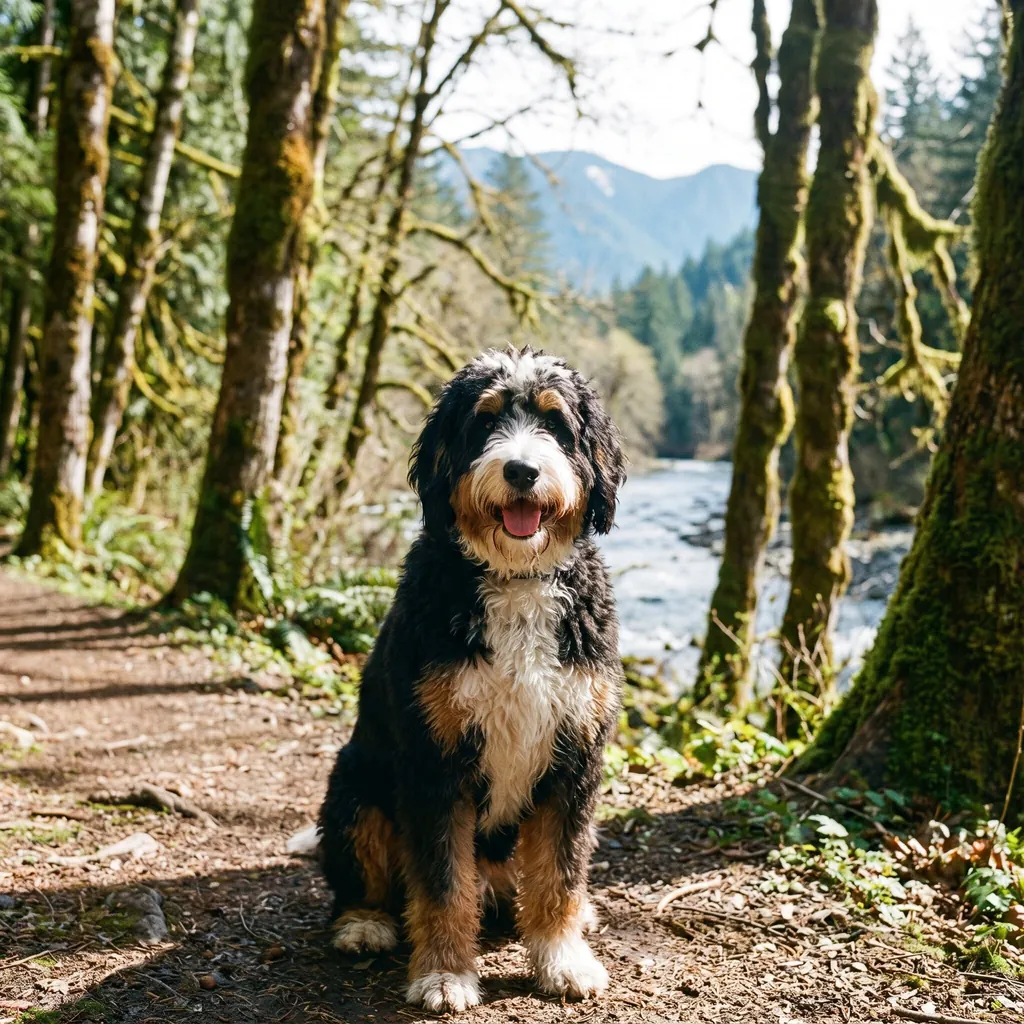
Doodles & designer mixes




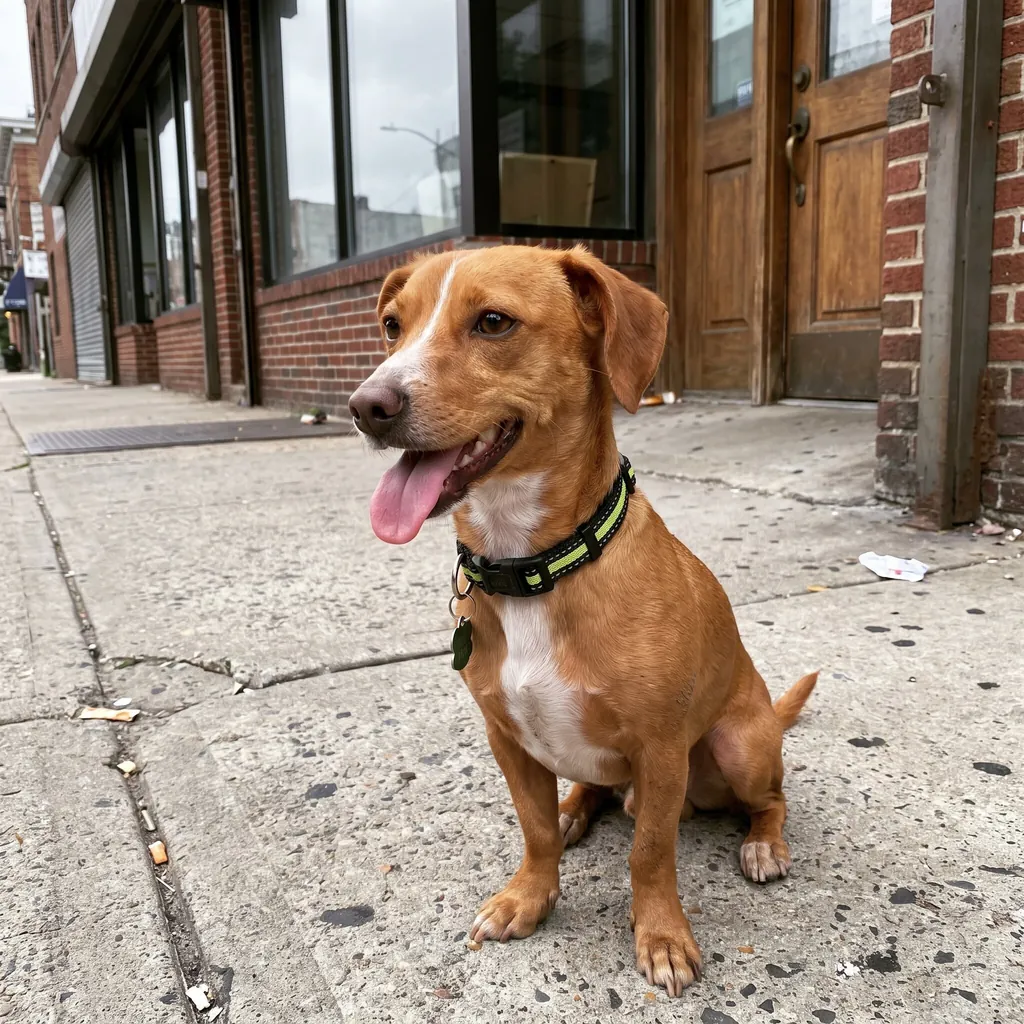










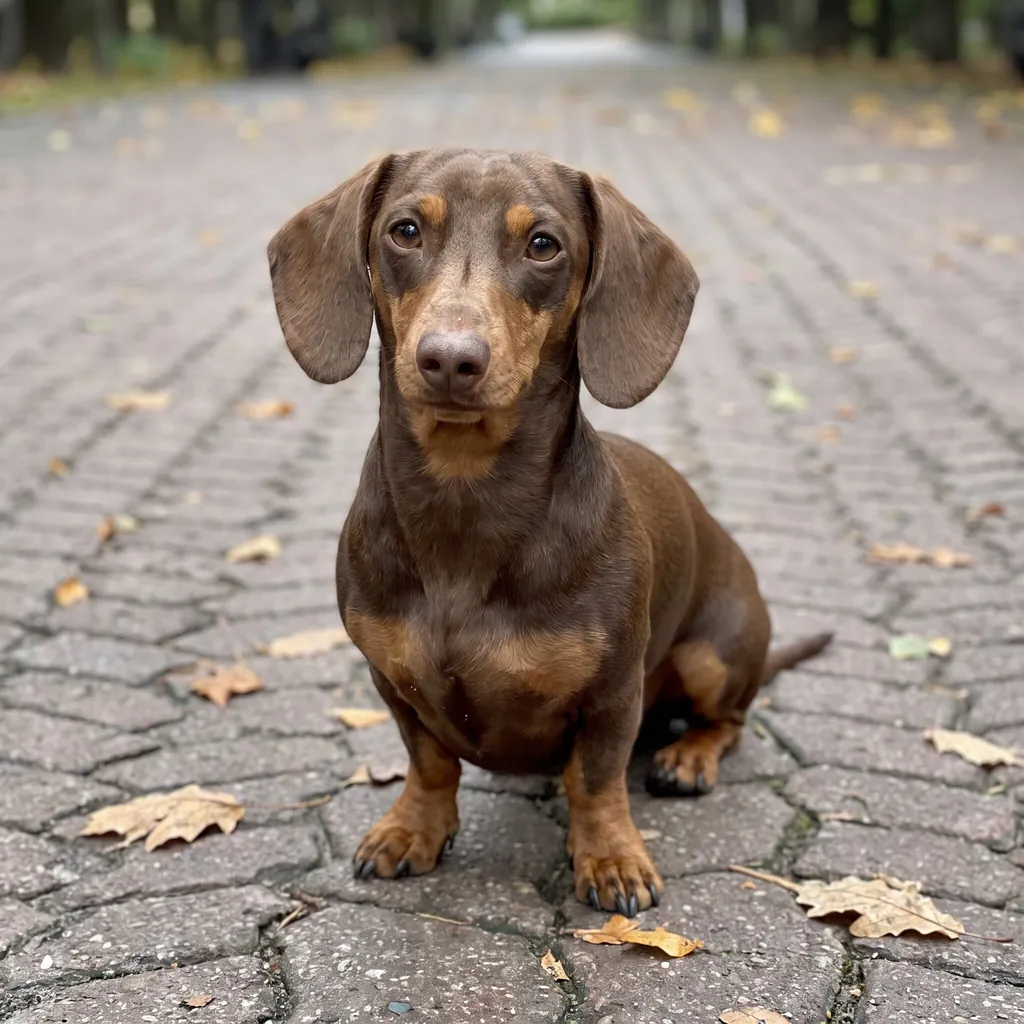
Small & toy breeds
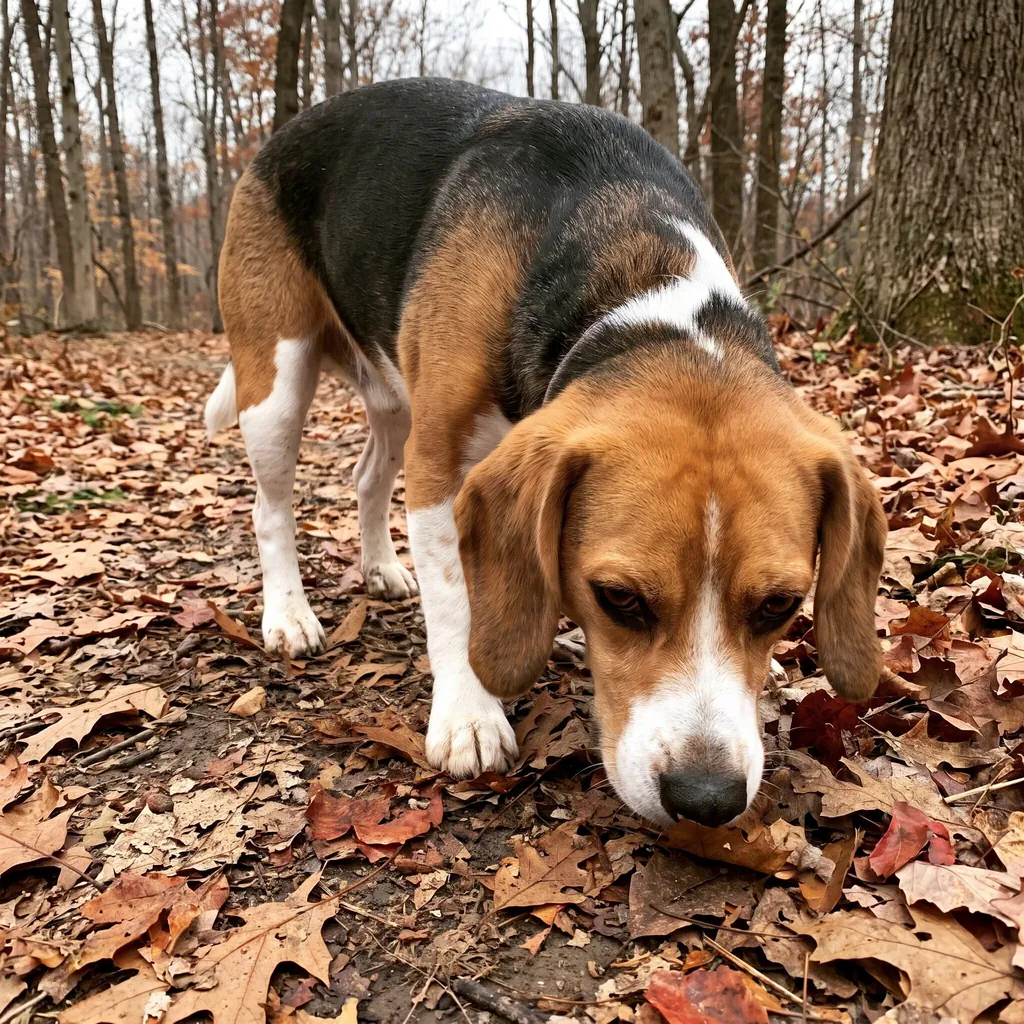


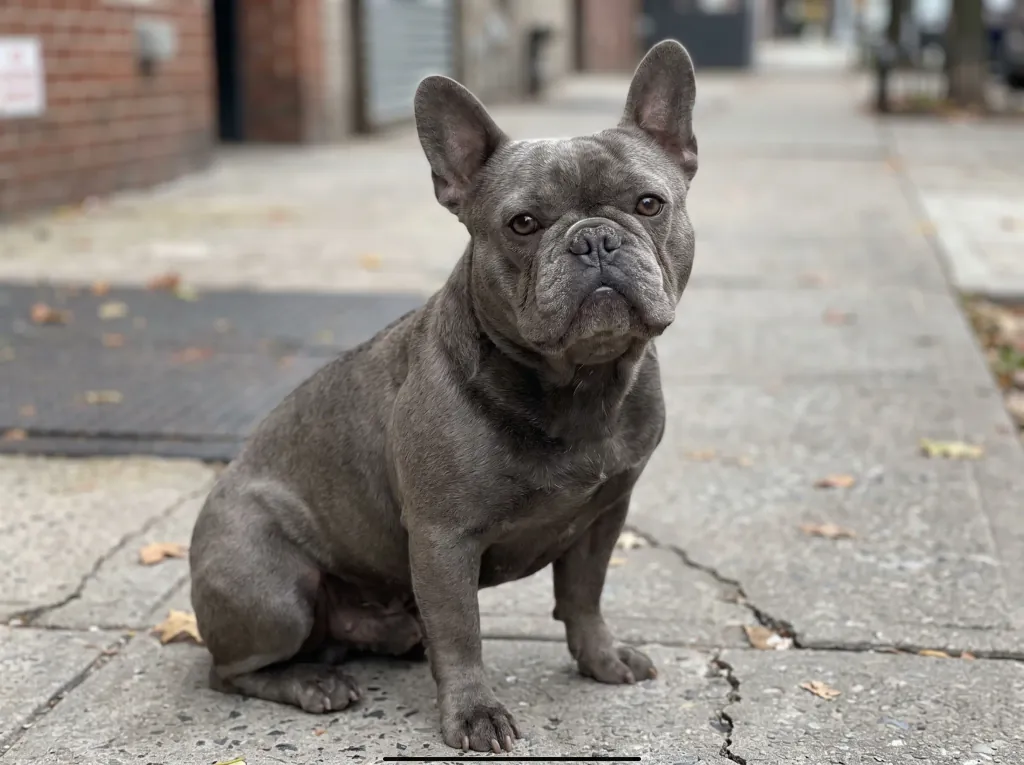







Medium breeds



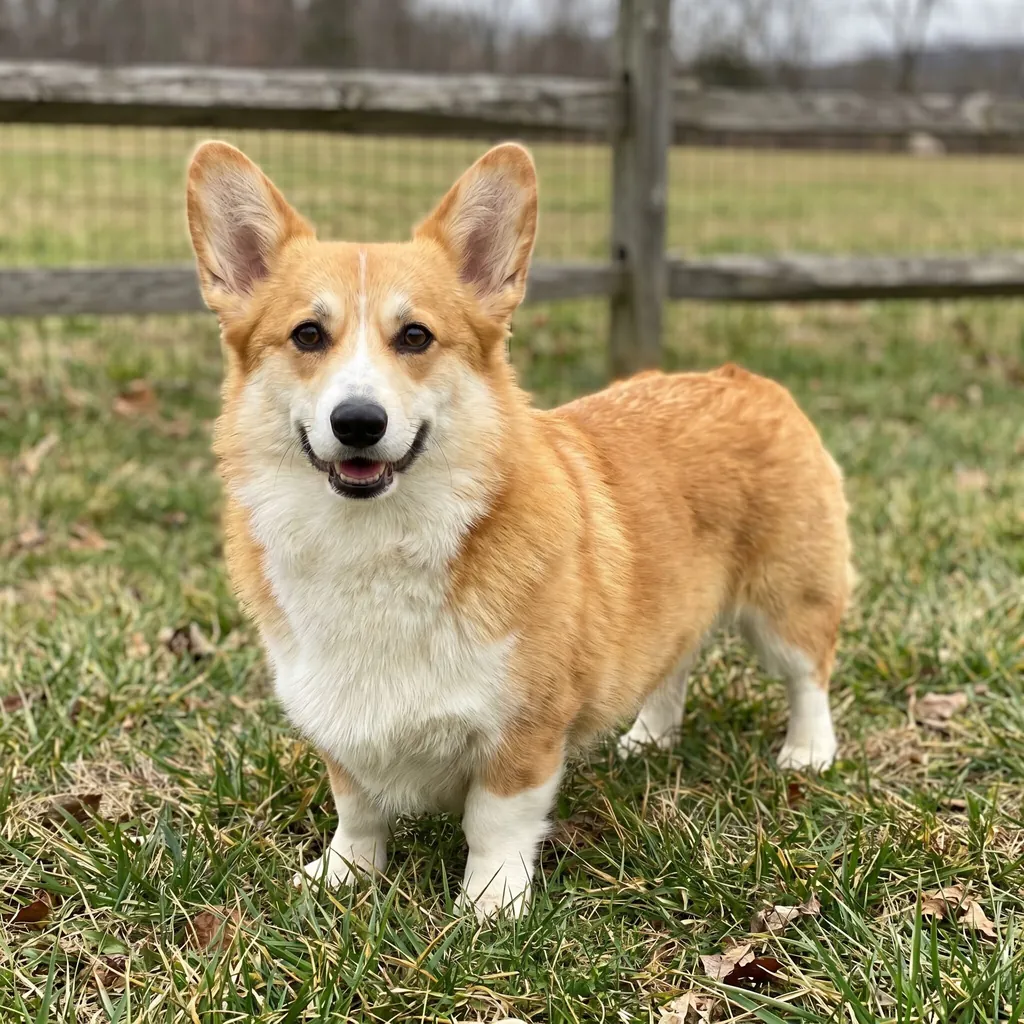


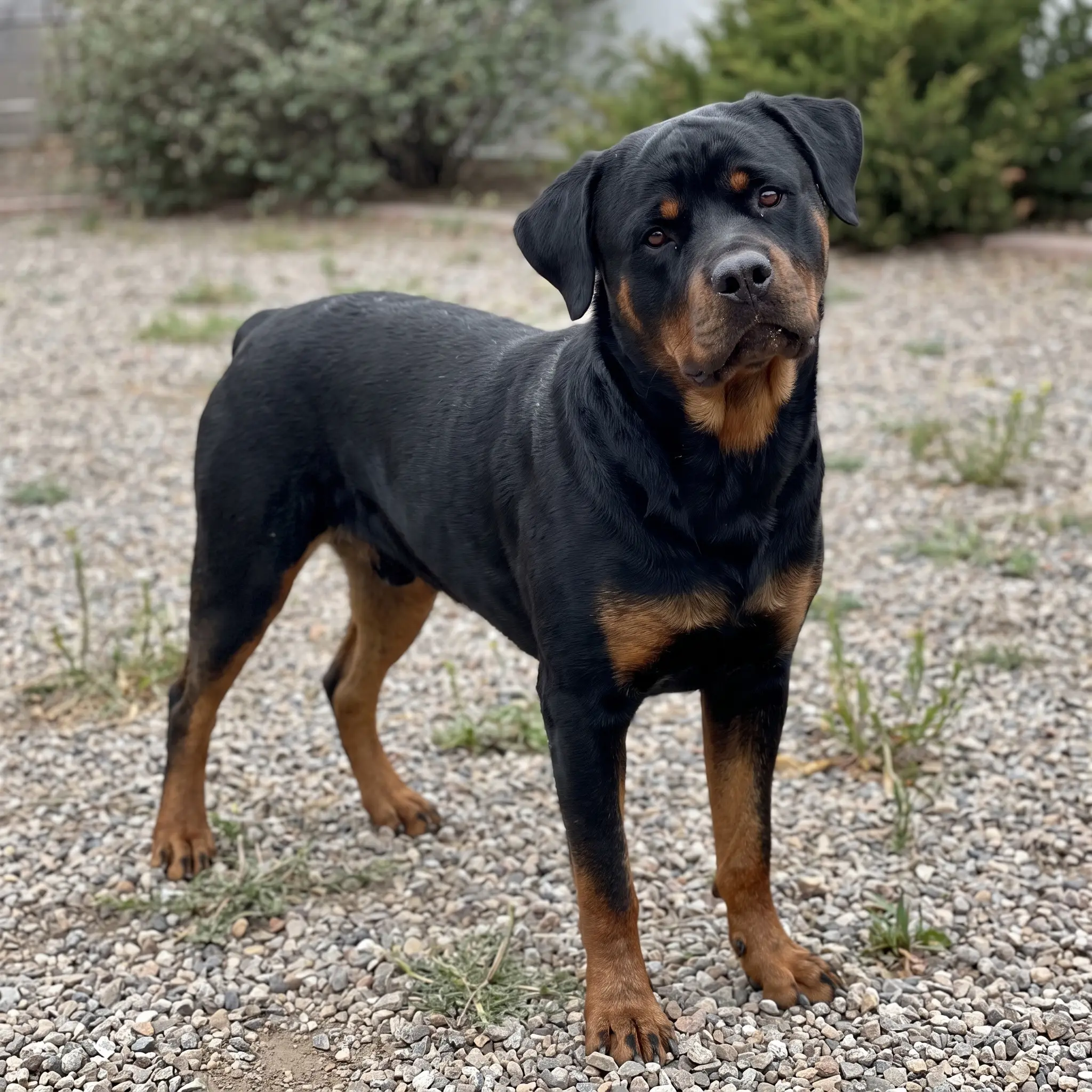
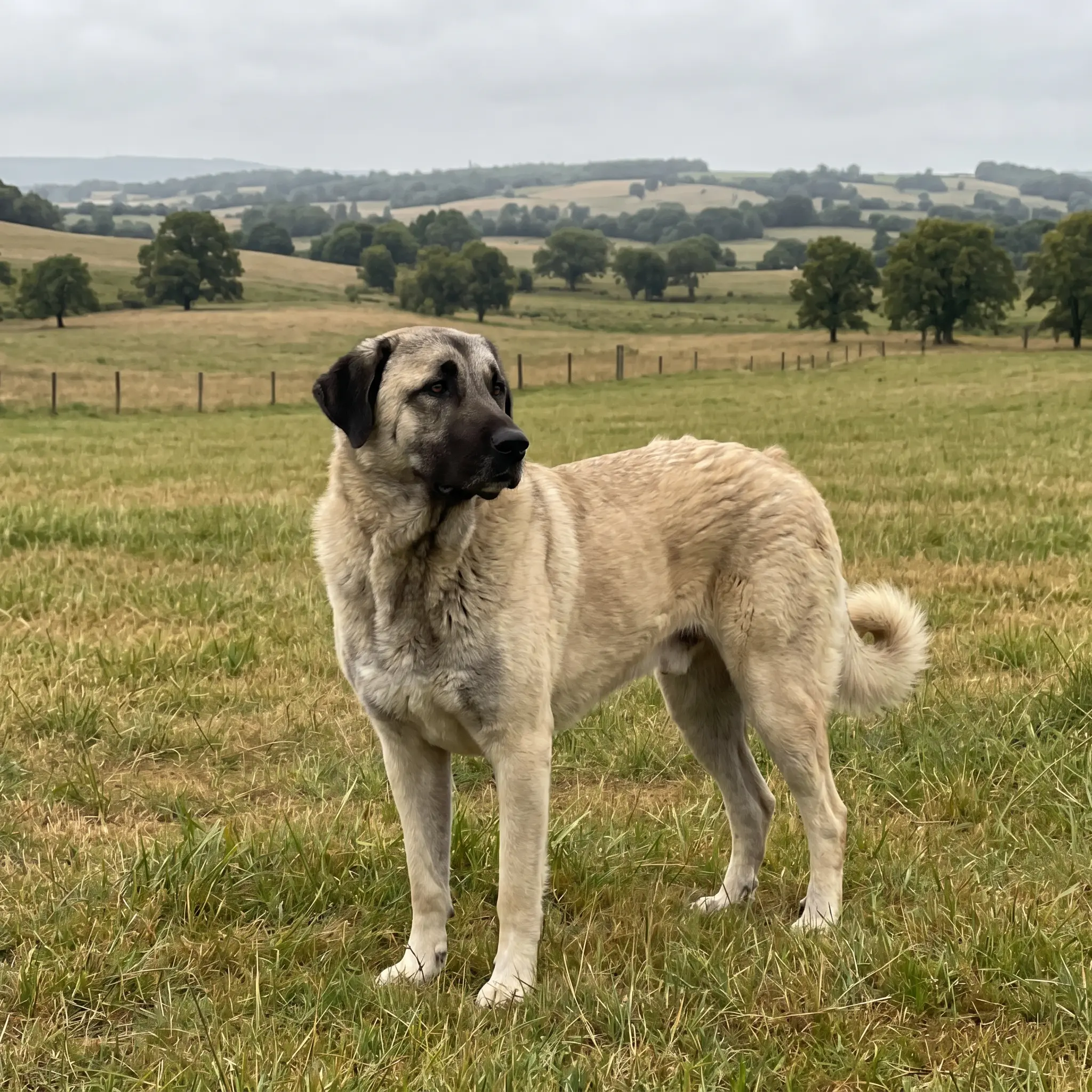
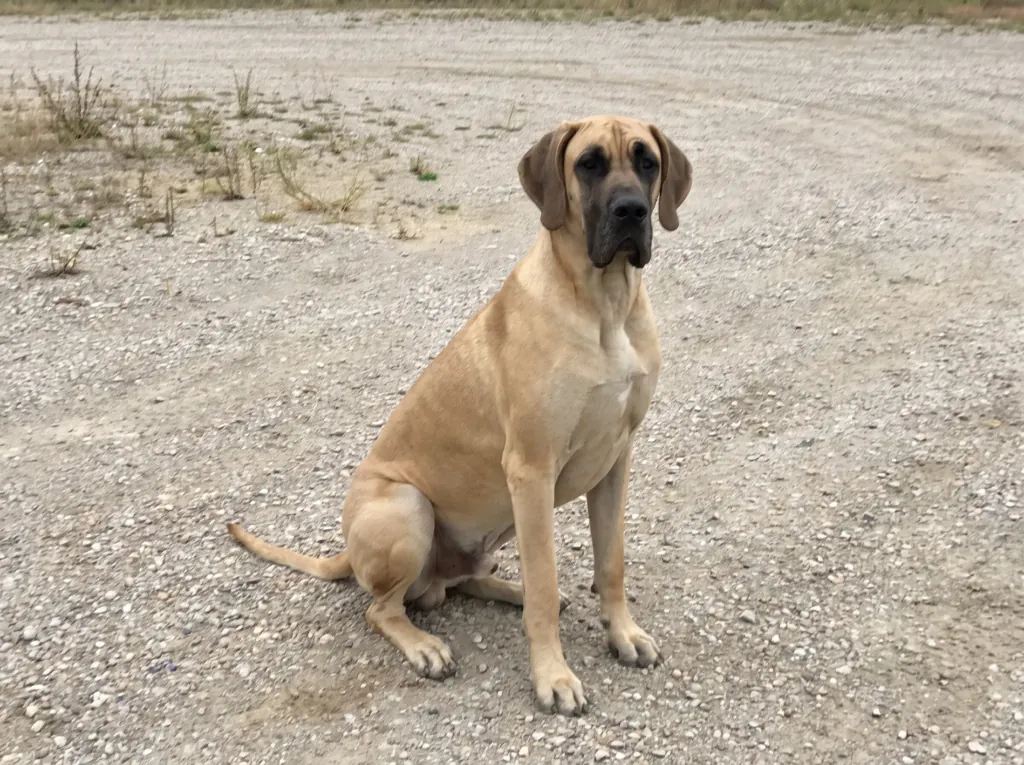
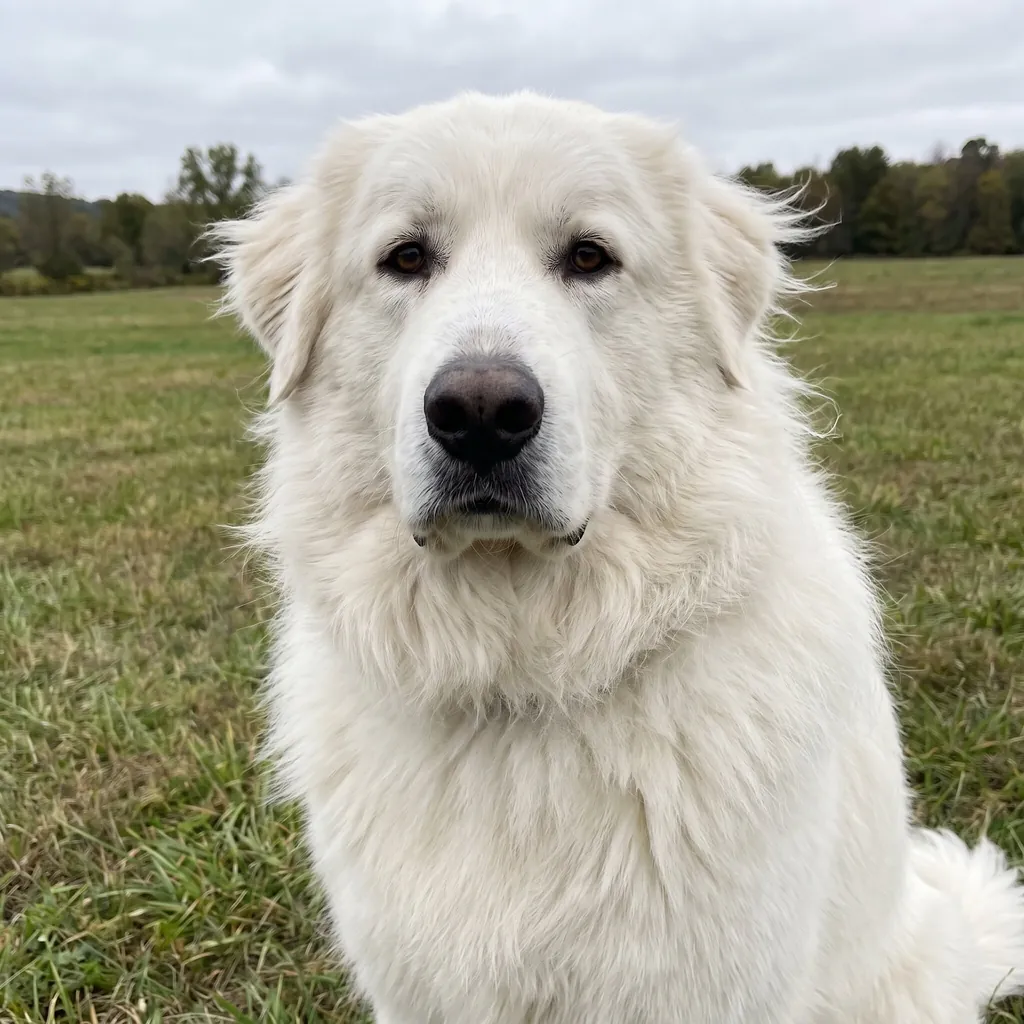
Large breeds

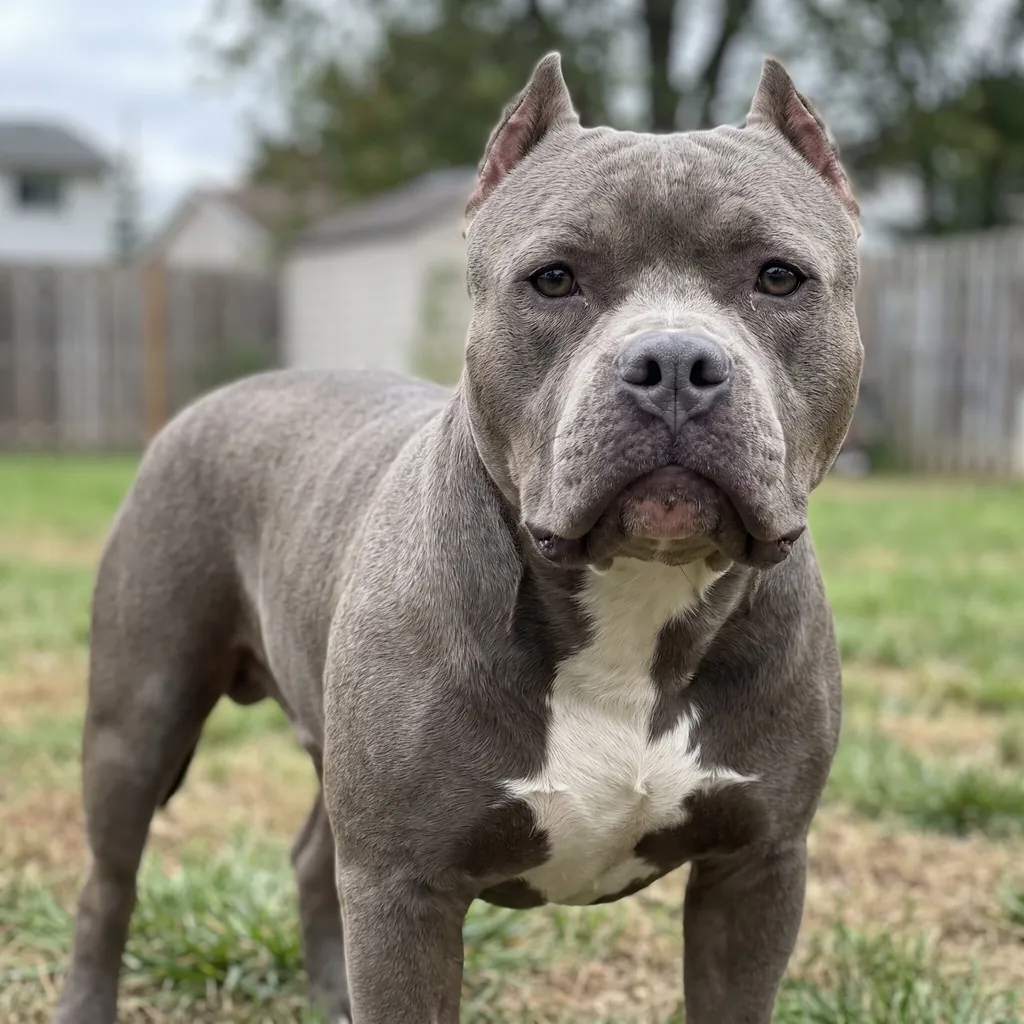



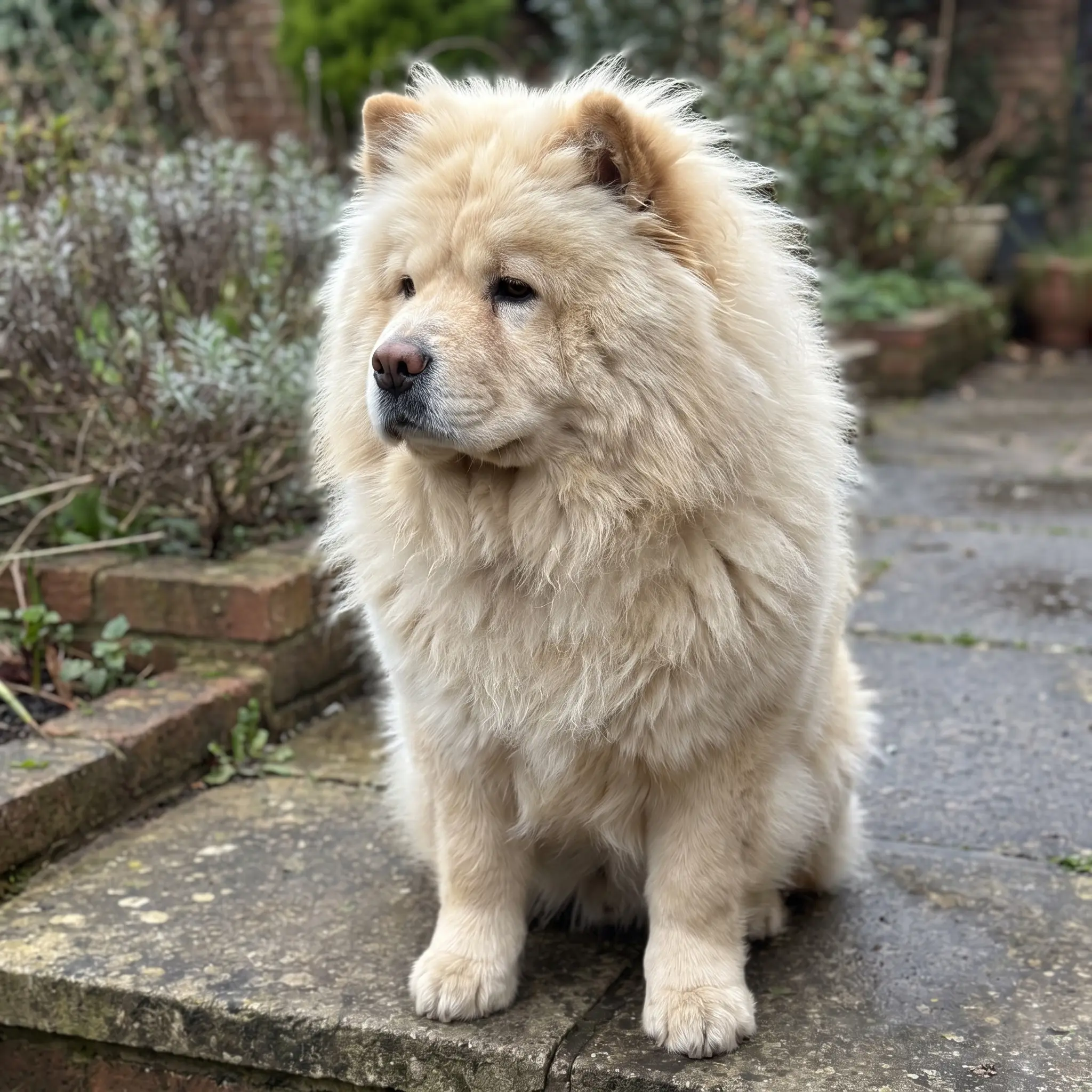










How puppies grow, by size class
Smaller dogs finish fast; giant breeds keep filling out well past their first birthday. This is the percentage of adult weight reached at each age, the backbone of every estimate on PuppySize.
- Toy
- Small
- Medium
- Large
- Giant
- Your puppy
Median curves computed from ~89,000 healthy dogs aged 2–24 months in the open Salt et al. 2017 dataset (PLOS ONE, CC BY 4.0), grouped into PuppySize's five size classes.
| Size class | Full-grown around | Typical adult weight |
|---|---|---|
| Toy | ~10 months | Under 12 lb |
| Small | ~12 months | 12–25 lb |
| Medium | ~12 months | 25–50 lb |
| Large | ~15 months | 50–100 lb |
| Giant | ~18 months | 100 lb+ |
How we calculate this
No magic, no black box. Three plain steps, and we show our sources.
Match the breed (or your chosen size class) to a vet-derived curve of % of adult weight by age.
Divide your puppy's current weight by the percentage it has reached at its current age.
Clamp to the breed's known adult range and show a ±band, never a single false-precise number.
Built on AKC breed standards, the peer-reviewed Salt et al. 2017 canine growth study (PLOS ONE), and breeder and veterinary references for designer breeds. Estimates are typically within 10–20% for purebreds; mixed breeds vary more.